
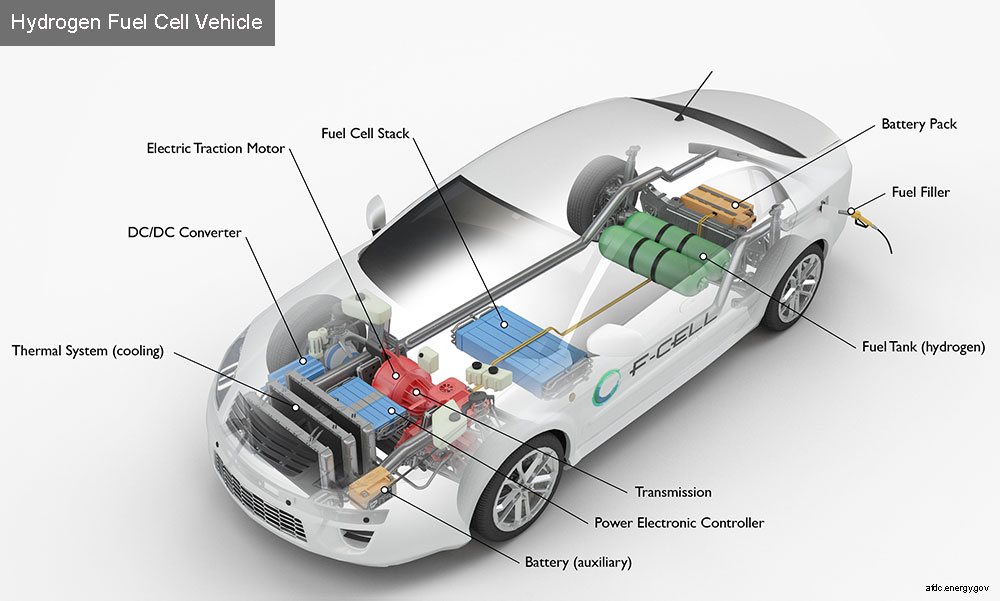
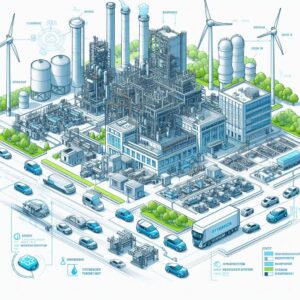
Developing a complete hydrogen ecosystem, from vehicle production to fueling infrastructure, requires a multi-pronged approach. Here’s a breakdown of the key areas for research, innovation, invention, and development (RIID):
1. Hydrogen Production:
- Research: Explore cost-effective methods for large-scale hydrogen production. This includes advancements in electrolysis using renewable energy sources, biomass gasification, and thermochemical water splitting.
- Innovation: Develop efficient catalysts for electrolysis and thermochemical processes to improve hydrogen yield and reduce energy consumption.
- Invention: Investigate new methods for hydrogen production, like biophotolysis using algae or microbial electrolysis cells.
- Development: Optimize existing hydrogen production technologies for scalability and integration with renewable energy sources.
2. Hydrogen Storage & Delivery:
- Research: Develop safe, efficient, and high-density hydrogen storage solutions for vehicles. This includes research on solid-state materials and novel on-board storage configurations.
- Innovation: Improve existing high-pressure compressed hydrogen storage tanks to reduce weight and increase capacity.
- Invention: Explore alternative hydrogen storage methods like chemical hydrides or liquid organic carrier molecules (LOCMs).
- Development: Design and implement efficient hydrogen transportation infrastructure, including pipelines, trucks, and ship-based transport.
3. Hydrogen Fuel Cell Vehicles:
- Research: Develop more powerful and durable fuel cell stacks with improved efficiency and lower cost.
- Innovation: Investigate alternative fuel cell materials like perovskites for higher operating temperatures and improved performance.
- Invention: Explore new fuel cell architectures that utilize different electrolytes or operate at different pressures.
- Development: Optimize vehicle design for hydrogen propulsion, focusing on lightweight materials, packaging of fuel cell systems, and thermal management.
4. Hydrogen Fueling Stations:
- Research: Develop efficient and safe hydrogen dispensing technologies for rapid refueling of vehicles.
- Innovation: Design compact and modular fueling stations for wider deployment, especially in urban areas.
- Invention: Explore alternative fueling methods like on-site hydrogen generation through electrolysis.
- Development: Standardize fueling protocols and safety regulations for hydrogen stations to ensure seamless user experience.
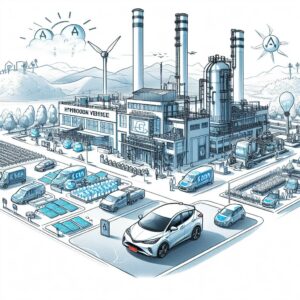
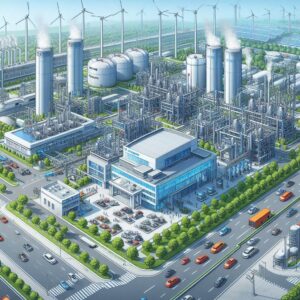
5. Integration & Infrastructure:
- Research: Develop life-cycle assessments to understand the environmental impact of the entire hydrogen economy.
- Innovation: Create a robust hydrogen economy model that considers production, transportation, storage, and utilization.
- Invention: Explore innovative business models for hydrogen production, distribution, and vehicle ownership.
- Development: Implement pilot projects to test and refine all aspects of the hydrogen ecosystem in real-world settings.
Collaboration is Key:
Developing a successful hydrogen ecosystem requires collaboration between researchers, engineers, policymakers, and private industries. By fostering innovation across all stages, we can bring clean and sustainable hydrogen mobility to the forefront.
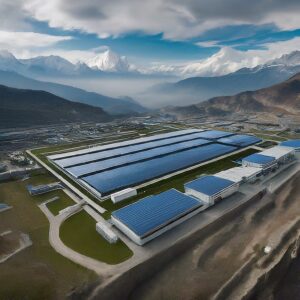

Cost Components:
-
Land & Construction:
Cost of acquiring land suitable for a large-scale industrial facility.Construction costs for the factory building, including production areas, warehouses, offices, and research & development labs.
-
Equipment & Machinery:
Hydrogen Production: Electrolyzers, compressors, storage tanks (if on-site production is planned).
- Fuel Cell Stack Production: Specialized equipment for manufacturing fuel cell components and membranes.
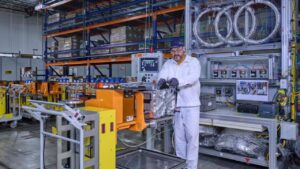
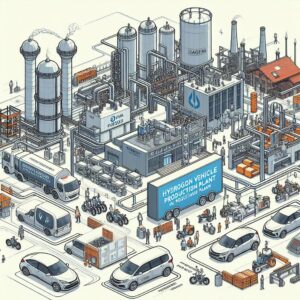
- Vehicle Assembly Line: Robotic welding stations, painting booths, assembly tools, conveyor systems, and testing equipment.
-
Technology & Licensing:Costs associated with acquiring licenses for hydrogen fuel cell technology and vehicle production processesPotential partnerships or technology transfer agreements with established players in the hydrogen vehicle industry.
-
Research & Development:
-
Investment in ongoing research to improve hydrogen production efficiency, fuel cell technology, and vehicle design.
-
Operational Costs:
Labor costs for engineers, technicians, assembly line workers, and administrative staff.Raw materials for vehicle production, fuel cell components, and hydrogen (if not produced on-site).Utility costs for electricity, water, and waste disposal.
Budgetary Considerations:
- Plant Scale: The size and production capacity of the plant will significantly impact the overall budget. A smaller, pilot plant will require less investment compared to a large-scale commercial production facility.
- Level of Integration: Will the plant produce all components (fuel cells, vehicles) or focus on vehicle assembly with imported fuel cell stacks? Higher integration increases complexity and cost.
- Technology Selection: The choice of hydrogen production technology (electrolysis vs. other methods) and fuel cell technology (type and efficiency) will influence equipment and licensing costs.
- Automation Level: Highly automated production lines offer efficiency but require upfront investment in robotics and automation systems.
Starting Points for Estimation:
- Benchmarking: Research existing hydrogen car production plants globally to understand their investment figures (consider scaling adjustments for Nepal).
- Consulting Firms: Specialized consulting firms can provide feasibility studies and cost estimates tailored to the specific needs of your project in Nepal.
- Government Incentives: Explore potential government incentives or subsidies offered in Nepal to promote clean energy technologies like hydrogen vehicles.
Few Reference of Establishing Hydrogen Car Factory in Japan for Budgetary ideas
- Scale and Scope: Are you looking to build a brand new car company from scratch, or are you aiming for a smaller assembly plant for an existing brand? A full-fledged car company requires significantly more investment in research & development, production facilities across various components (engines, chassis, etc.), and a dealer network compared to an assembly plant.
- Level of Automation: Highly automated factories with advanced robotics will have a higher upfront cost but potentially lower long-term operational costs. Conversely, a more manual production line will require less initial investment but potentially higher labor costs.
- Vehicle Type: The complexity of the vehicles being produced plays a role. Building luxury cars will require more specialized equipment and potentially higher material costs compared to manufacturing simpler, mass-produced vehicles.
- Existing Infrastructure: Does the company already own land and facilities in Japan, or will they need to acquire everything from scratch? Utilizing existing infrastructure can significantly reduce costs.
However, here’s a way to visualize the budget breakdown:
Budget Breakdown (Estimated Percentages):
- Land & Construction: 20-30%
- Equipment & Machinery: 30-40% (including specialized tools for specific vehicle types)
- Research & Development: 10-20% (can be higher for entirely new vehicle technologies)
- Technology & Licensing: 5-15% (depending on reliance on external technology)
- Operational Costs (Labor, Materials, Utilities): 20-25% (ongoing expenses)
Examples (for reference only):
- Tesla’s Gigafactory 1 in Nevada reportedly cost around $5 billion. However, this is a large-scale, highly automated facility for electric vehicle production.
- Estimates suggest setting up a smaller assembly plant for an existing car brand could be in the range of $1-2 billion.
For a more accurate budget estimate for Japan:
- Research existing car manufacturing plants in Japan and their reported investment figures.
- Consider consulting with engineering firms specializing in car manufacturing plant design and construction. They can provide cost estimates based on your specific requirements.
Additional Resources:
- U.S. Department of Energy Hydrogen Resources: https://www.hydrogen.energy.gov/
- Hydrogen Council: https://hydrogencouncil.com/en/
- Fuel Cell and Hydrogen Energy Association (FCHEA): https://www.fchea.org/